The song
Men of Harlech is one of the best-known Welsh songs, a stirring march sung by choirs, played by military bands and roared in rugby grounds. The tune was first published without words in 1794 as “Gorhoffedd Gwŷr Harlech”, the March of the Men of Harlech. Words in both Welsh and English were added in the 19th century, and several different versions exist.
The siege that inspired it
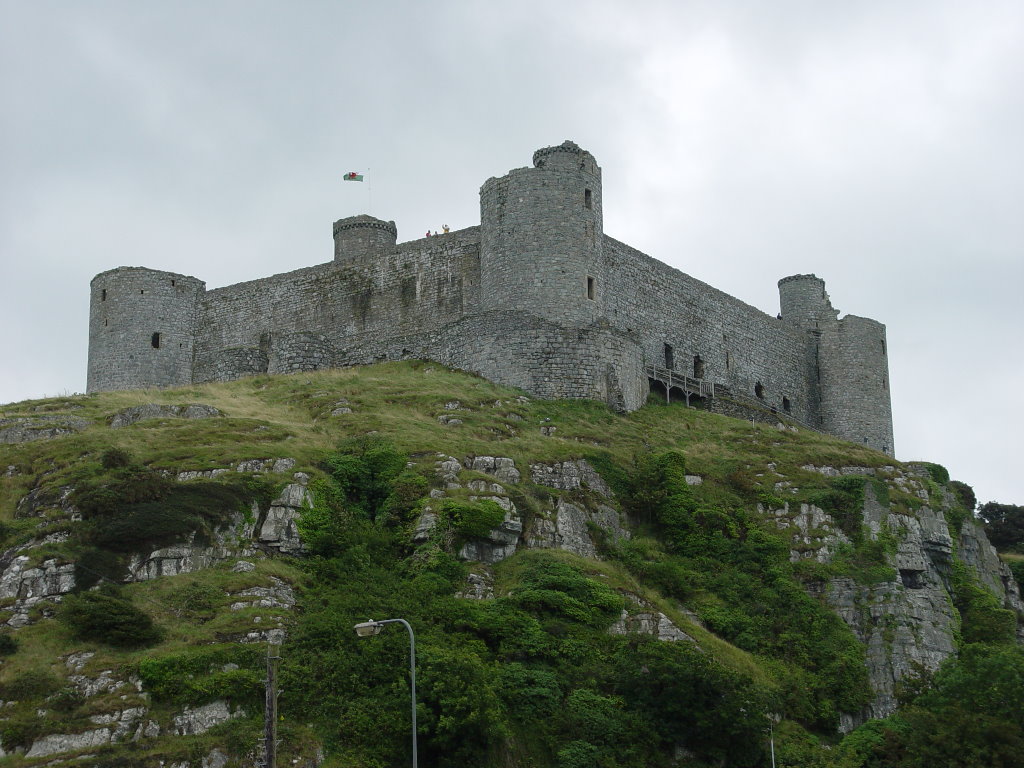
The song is linked to the siege of Harlech Castle during the Wars of the Roses. A small Lancastrian garrison held the castle for the deposed Henry VI from 1461 until 1468, supplied at times by sea, long after the rest of England and Wales had fallen to the Yorkist Edward IV. It is often described as one of the longest sieges in British history. A chronicler of the time wrote that King Edward held all England “except a castle in North Wales called Harlake”.
The garrison finally surrendered in August 1468 to an army led by William Herbert, Earl of Pembroke.
The English words
The best-known English version was written by Thomas Oliphant in 1862. The first verse runs:
Men of Harlech, march to glory,
Victory is hovering o’er ye,
Bright-eyed freedom stands before ye,
Hear ye not her call?
At your sloth she seems to wonder;
Rend the sluggish bonds asunder,
Let the war-cry’s deafening thunder
Every foe appal.
The Welsh words
The most widely sung Welsh words are by the poet John Ceiriog Hughes, beginning “Wele goelcerth wen yn fflamio”, “See the white bonfire blazing”. Other Welsh and English versions were written for different occasions, and the song has been adapted many times since, including in the 1964 film Zulu.
Visit the castle
Stand on the walls of Harlech Castle and you can see why such a small garrison could hold out for so long. Read more about the town’s past on our history page.